







Search Results for: coffee machine selection
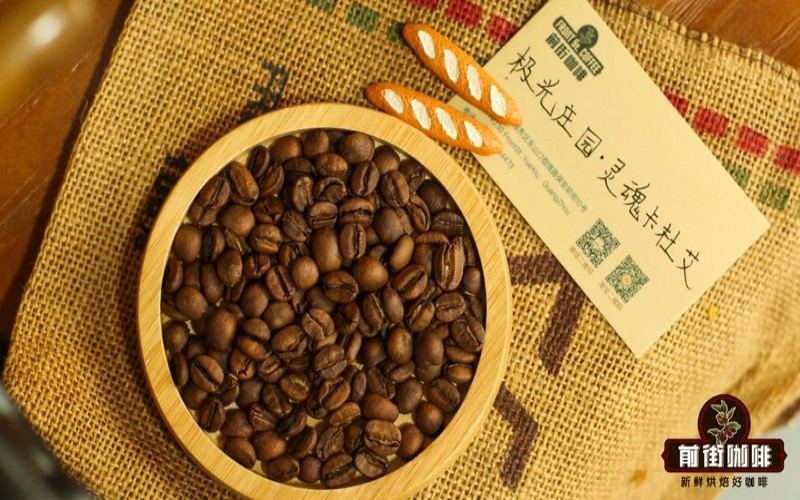
Coffee Machine Bean Selection Guide: Choosing the Right Cup by Roast Level
Espresso machines pull shots quickly and produce high concentration, and the roast level of the beans directly affects aroma, acidity, and body. If you mainly use a home espresso machine, super-automatic coffee machine, or capsule-based alternative, you can first determine your direction among light, medium, and dark roasts, then choose based on whether you usually drink espresso, Americano, or latte. This way, selecting beans will [more…]
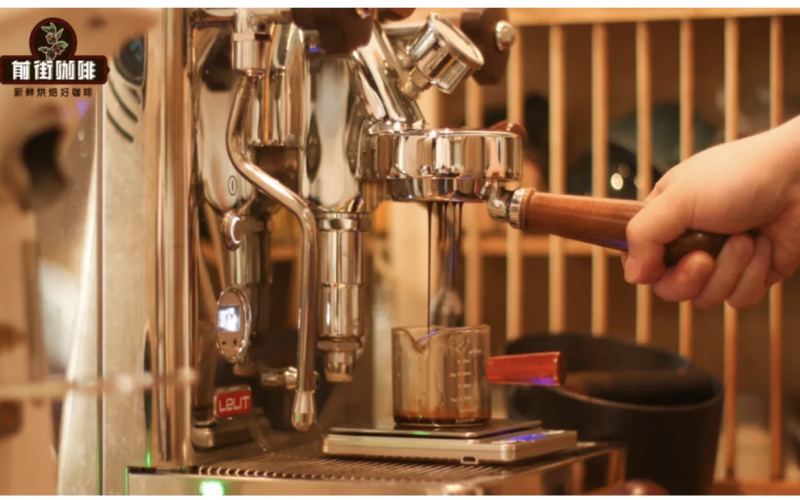
Bean Selection Guide for Home Semi-Automatic Espresso Machines
Now that you have a semi-automatic espresso machine at home, choosing beans becomes the top priority. The machine is just a tool—the beans are the source of flavor. Choose the right beans, and even an entry-level home machine can produce delicious espresso and milk coffee. The core needs for choosing beans for a home machine: home machines usually aren't as stable in pressure and water temperature as commercial machines, so when choosing beans you need to pay more attention to [more…]
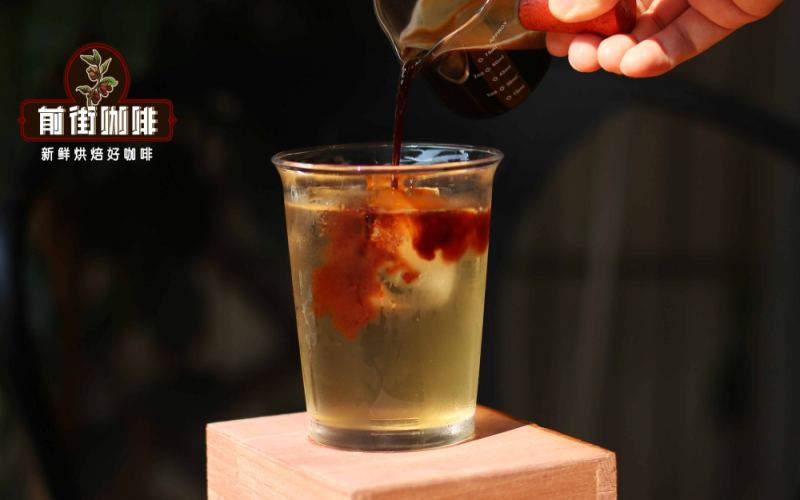
Home Coffee Machine Bean Selection Guide | What kind of coffee beans should be used for making espresso at home? What are some recommended affordable and tasty everyday beans for home coffee machines?
Unlike the positioning of a coffee shop, home brewing often pursues value for money—the coffee must taste good and be affordable, making it a daily staple. So regardless of the extraction method, when choosing coffee beans, we prioritize whether they can become an everyday go-to. Nowadays, espresso machines are no longer a "luxury" exclusive to cafés, [more…]
Origin Selection for Home Espresso Beans: The Performance of Single-Origin SOE on Home Machines
A home semi-automatic espresso machine doesn't necessarily mean you can only brew espresso blends—single-origin SOE can also produce distinctive shots on a home machine. The flavor profiles of SOEs from different regions vary noticeably; choose the right region, and even a home machine can deliver espresso with regional character. Mandheling SOE is the rich, full-bodied choice for home machines. Mandheling is harvested [more…]
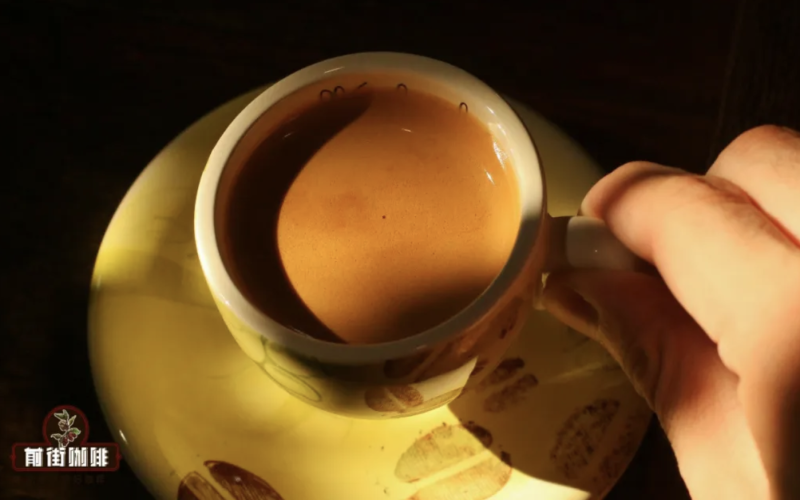
How to Extract Good Crema from a Home Espresso Machine? The Key Lies in Bean Selection
Many people buy a home espresso machine with one first goal in mind: pulling a thick, velvety crema like the one you see in coffee shops. But after endless fiddling with grind size, dose, and water temperature, the crema still comes out thin—and the problem usually isn't the machine, it's the beans. Crema is the layer of foam formed when carbon dioxide and fats emulsify during espresso extraction. [more…]
Coffee Machine Bean Selection Guide: From Light to Dark Roast, Find Your Perfect Taste
Espresso machines brew quickly and at high pressure, so the roast level of the coffee beans directly affects the acidity, sweetness, aroma, and body on the palate. If you enjoy bright fruity notes, start with a light or light-to-medium roast; if you prefer nutty, cocoa, and smooth flavors, a medium to medium-dark roast is easier to get used to; and if you often drink lattes or cappuccinos, you can focus your attention [more…]
Home Espresso Machine Bean Selection Guide: Choosing Cost-Effective Flavors by Roast Level
When choosing beans for a home espresso machine, the roast level often determines the overall character of a cup more than the name of the origin. Light roasts lean toward aroma and fruity acidity, medium roasts more easily balance sweetness and body, while dark roasts bring notes of cocoa, nuts, and roastiness. When the budget is limited, choosing according to whether you usually drink black coffee, lattes, or iced drinks is usually better than blindly [more…]
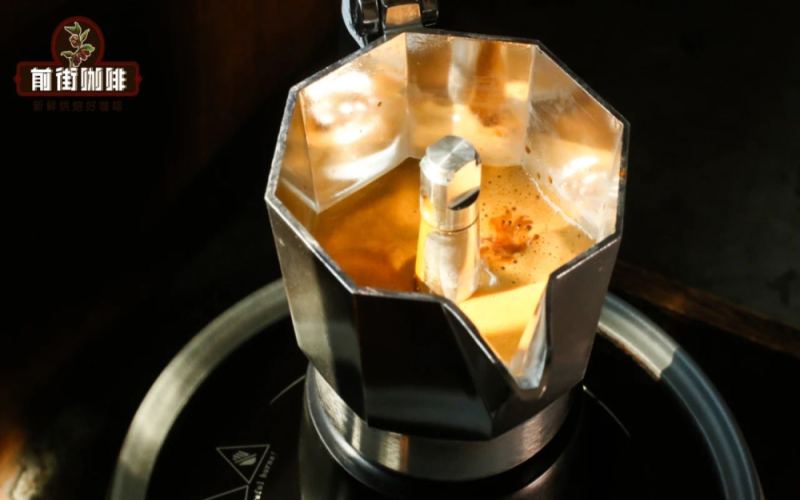
From Moka Pot to Espresso Machine: Bean Selection and Blend Recommendations for Milk Coffee, Americano, and Latte
Many people don't chase the distinct regional flavors of pour-over coffee in their daily cup; they prefer the milky taste of coffee with milk added. To make a stable, delicious latte or Americano, choosing the right espresso beans is the first step. This article starts with the basic principles of espresso, explains the relationship between espresso, Americano, latte, and cappuccino, and lays out three general guidelines for selecting espresso and moka pot coffee beans: not sour, freshly roasted, and medium-dark roast. On this basis, drawing on several of Front Street Coffee's blends, it offers specific selection logic and recommendations for different needs—traditional Arabica, commercial blends, classic rich body, cost-first, and fruity acidity. [more…]
How to Pull a Good Espresso Shot at Home: The Key Lies in Bean Selection
Many people buy a home espresso machine with one first goal in mind: pulling a thick, creamy crema like the one in coffee shops. But after endlessly tweaking grind size, dose, and water temperature, the crema is still thin. The problem usually isn't the machine — it's the beans. Crema is the layer of foam formed when carbon dioxide and fats emulsify during espresso extraction. [more…]
Coffee bean recommendations for fully automatic coffee machines: from flavor direction to brewing method selection
The flavor of a cup of coffee isn't just about sourness or bitterness—it also includes aroma, sweetness, body, mouthfeel, and aftertaste. When choosing beans, first decide whether you want floral and fruity notes, nutty and cocoa notes, or a balance between the two, then match that to the corresponding origin, processing method, and roast level. For espresso extraction, the key lies in the dose and grind size. [more…]
Espresso Machine Medium-Roast Coffee Bean Recommendations: A Bean Selection Method for Everyday Drinkers
When you first start buying beans, there's no need to chase a wide range of flavors all at once. A more practical approach is to start with a bean that has a clear flavor profile and is highly compatible with different brewing methods, then lock in your dose, grind, and water temperature, and observe how the entry, sweetness, and finish change. This way you can build your own taste reference. For espresso extraction, the focus is on dose [more…]
Espresso SOE Bean Selection Guide | Recommended Espresso Beans for Making Great Americano with an Espresso Machine
In the world of espresso, nothing matters more than a perfect shot. An ideal espresso has a creamy texture, intense coffee flavor, and a syrupy body, along with a lingering finish. Although it seems simple, in reality, to make a perfect espresso, when buying coffee beans we need to [more…]

How to choose several cost-effective espresso beans for home use: incorporating brewing parameters into bean selection
Before buying beans, go through your daily scenarios: is it black coffee in the morning or a milk coffee with meals, the ritual of pour-over or the efficiency of a machine. These answers determine how to choose the roast level, flavor intensity, and brewing method. Espresso extraction can be understood as a balancing game among dose, grind size, yield, and time. Blend beans [more…]
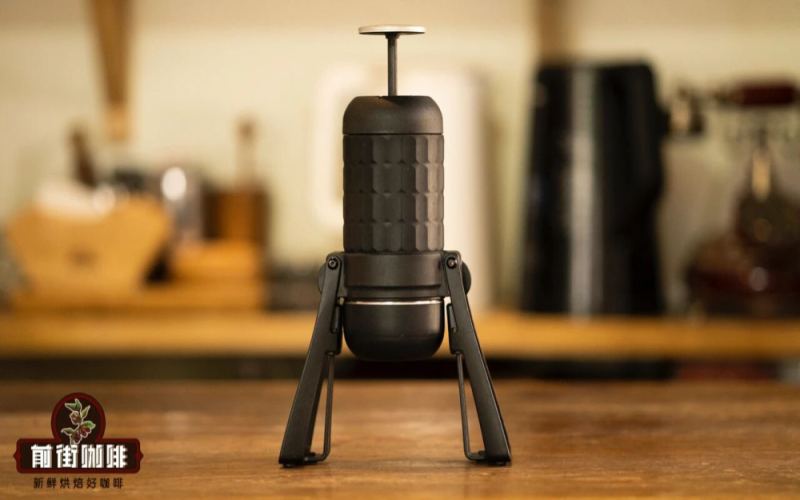
Guide to Extracting Espresso with a Manual Portable Espresso Maker: Suitable Bean Selection and Complete Operating Steps
The hand-press portable espresso machine, with its space-saving advantage, has become the top choice for many coffee lovers on the go. Combining a pump lid, hot water tank, and portafilter bottom lid, it can hold 18–22g of coffee grounds, be filled with 120–180ml of 94°C hot water, and freely adjust pressure within the 15–20bar range via a pressure regulating valve. This article starts with recommended bean varieties, detailing the flavor profiles of three beans: Front Street Classic Blend, Front Street Commercial Blend, and Front Street Strawberry Candy Espresso, then demonstrates step by step the complete process from loading grounds, adding water, to pressing and extracting, and finally uses 40ml of espresso with 200ml of hot milk to make a latte, testing the smoothness of the crema. [more…]
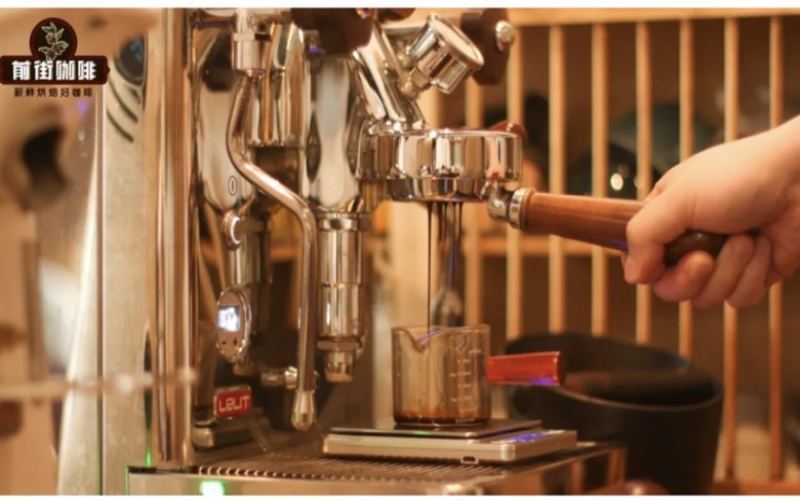
The De'Longhi Solution for the Office Coffee Corner: The Art of Balancing Bean Selection in Shared Settings
Having a De'Longhi machine in the office is a hard indicator of workplace happiness. But choosing beans for a shared coffee corner and for home follow two different logics: tastes vary and are hard to please, budgets are clearly divided between public and private, and no one takes the initiative to maintain it—the communal nature dictates a bean-selection strategy of "balance first." This article discusses bean selection and operation for an office De'Longhi coffee corner. The first principle [more…]
De'Longhi's new generation upgrade means your bean choice should level up too
Moving from an entry-level De'Longhi to a mid-to-high-end model is a rite of passage for many home users. After the upgrade, grinding is finer and more controllable, extraction temperature is more stable, and in theory the ceiling for what you can produce is higher. But if you're still stuck with the commercial blend you grabbed on a whim back then, the new machine's capabilities go to waste. Upgrading is exactly the moment to re [more…]
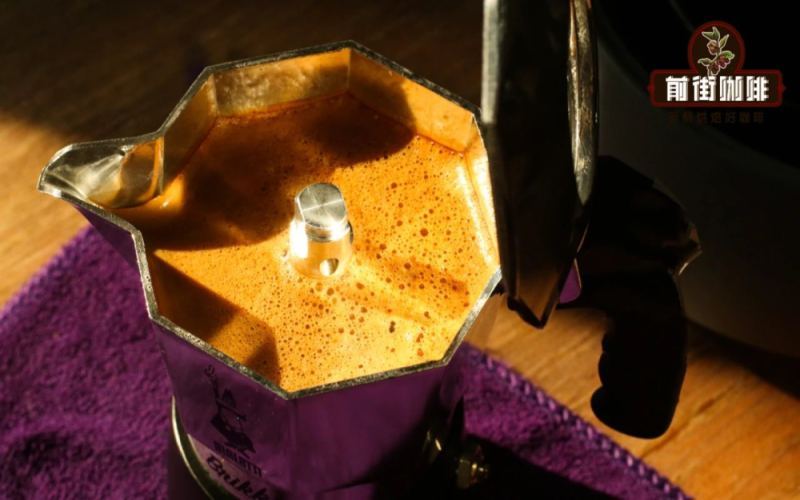
How to Make Iced Coffee with a Moka Pot: Coffee-to-Water Ratio, Bean Selection Tips, and Front Street Espresso Bean Recommendations
Many Moka pot enthusiasts often ask Front Street: Which beans are suitable for a Moka pot? How can I use it to make delicious iced coffee? As the home appliance closest to an espresso machine, the Moka pot is essentially a simple pressure-extraction device. Under ideal conditions, it can produce intense, full-bodied, powerfully flavored coffee, sometimes with a moderate amount of crema. Therefore, when choosing beans, it is advisable to prioritize medium or darker roasts, while also considering crema performance and flavor balance. This article will focus on the bean-selection logic for Moka pots, three Front Street espresso bean recommendations, and the coffee-to-water parameters for a 3-cup Bialetti pot along with the steps for making an iced Americano, providing a reusable operating plan. [more…]

Selected Moka Pot Coffee Beans Recommendations | Should You Use Light, Medium, or Dark Roast Beans for Moka Pot Brewing? Which Suits the Moka Pot Better: Blends or Single-Origin Beans?
The moka pot was invented in 1933 by Luigi di Ponti, inspired by and derived from the concept of early washing machines. Early washing machines had a heat source that could heat the soapy water in the tub, causing the soapy water to rise through a tube and wash dirty clothes. The moka pot works on this same principle to [more…]
Selection Logic for Home and Commercial Espresso Beans for Americano, Latte, and Moka Pot
In both home and café settings, milk coffee consumption far exceeds that of pure pour-over, making the selection of a suitable espresso blend crucial. This article outlines the extraction principles of espresso and moka pot brewing, pointing out that medium-dark roast, low acidity, and fresh roasting are universal benchmarks. On this basis, Front Street Coffee, leveraging its five-day fresh roast advantage, has launched several targeted products: those pursuing pure Arabica can choose the "Front Street Specialty Blend"; for commercial latte art requiring rich crema, the "Front Street Commercial Blend" or the "Front Street Classic Blend" containing Mandheling is preferable; the cost-conscious are suited to the "Espresso Moka Pot Coffee Beans Recommended by Many Baristas - Front Street Black Cocoa Blend"; while those craving fruity and floral notes can try the "Front Street Strawberry Candy Espresso Blend." The article helps readers make precise purchases according to their own needs. [more…]
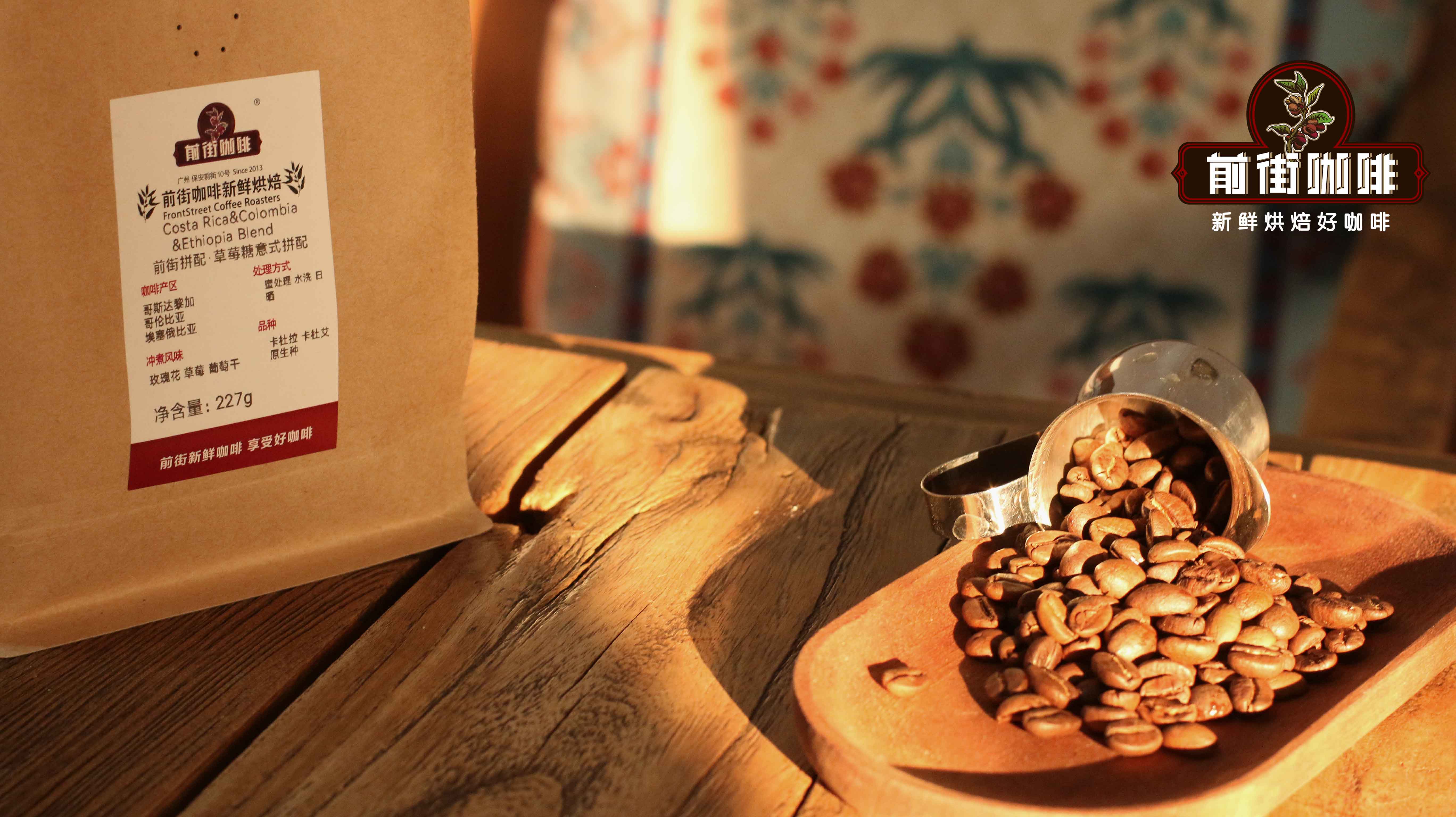
Everyday Home Beans Selection | What's the Difference Between Pour-Over Beans and Espresso Beans? 5 Cost-Effective Espresso Blend Beans for Home Espresso Machines
A coffee shop's espresso recipe is called a House Blend, usually made by blending two or more different single-origin coffees, primarily used to make espresso-based drinks such as cappuccino, Americano, latte, and flat white. Having a bag of espresso beans just like the coffee shop's is how we recreate it at home. [more…]